

La Bola Negra Cast Talk Queer War Drama, Recording "La Nieve," and The Ending Explained
Netflix has delivered a sweeping, multi-generational queer war epic that spans three eras with La Bola Negra. This Spanish-language film has immediately resonated with viewers and is already getting tons of awards season buzz. Speaking with Pop Culture Planet’s Kristen Maldonado, the cast and directors of La Bola Negra open up about bringing this ambitious story to life, Guitarricadelafuente’s original song “La Nieve,” and the film’s emotional ending explained.
While Guitarricadelafuente has been making music since 2017, he’s never acted before until he met the writing and directing team of Javier Ambrossi and Javier Calvo, known as Los Javis. “We wrote this movie for him. It was from our gut. We knew it. When we were writing about the Civil War and about history, we knew we needed someone to remove the dust of all the history books,” shared Ambrossi. “He has that not only because he's very vibrant and emotional and crisp, it was beyond that. To be a newcomer, you can bring to the screen something from your own consciousness. He did that and it was beautiful to be with him all the way.”
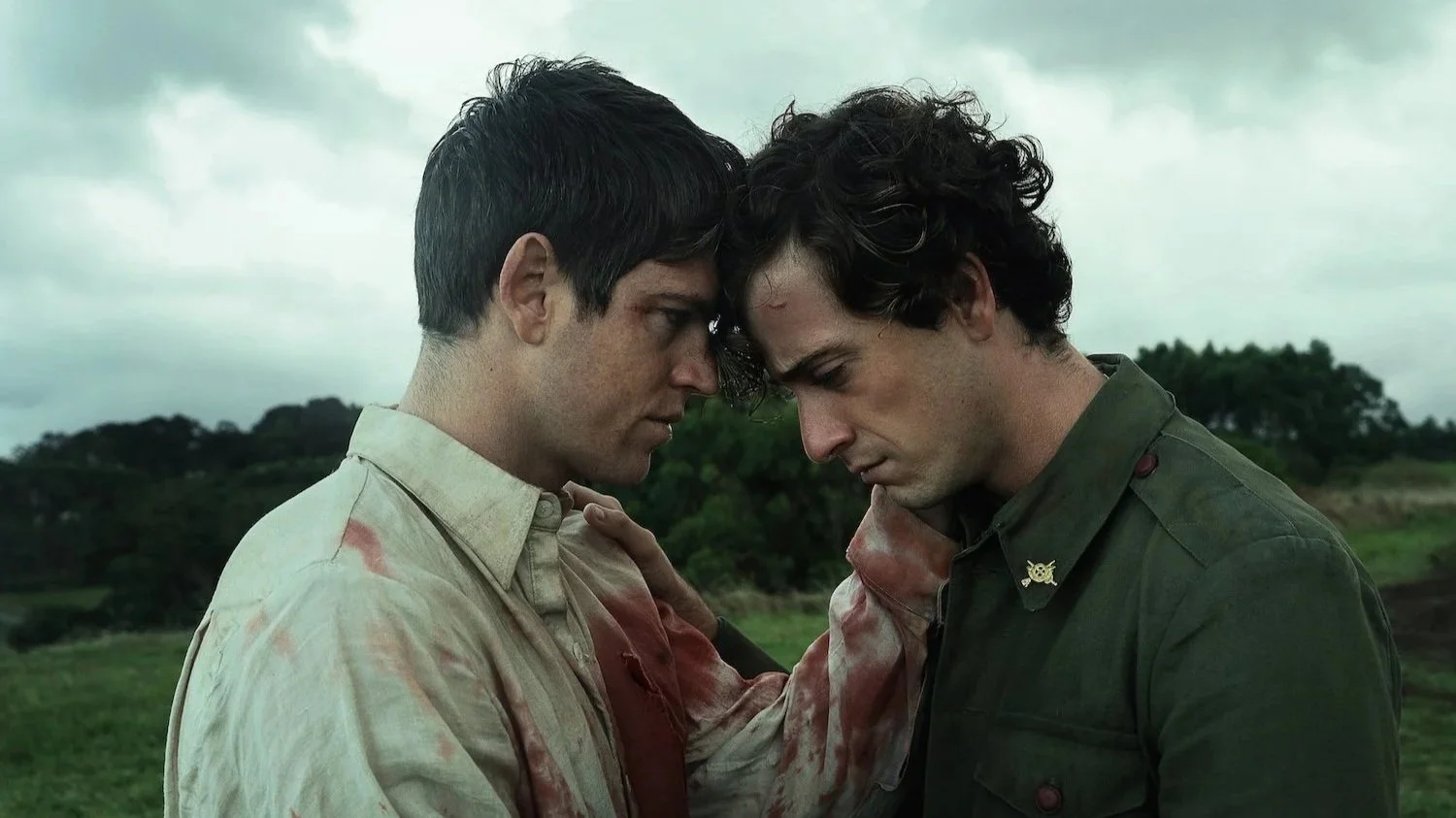
Los Javis’ experience on Drag Race España and Operación Triunfo helped them when it came to identifying and honing rising talent. “Working on television helped us in many ways. First of all, Drag Race, talking about drag. In the movie, there’s this line: ‘Transvestism is the fantasy of possibility.’ We learned that in Drag Race,” explained Calvo. “We also worked in a TV show [where] we were teachers of acting to young singers. [That] helped us to identify talent and know how to work with newcomers, but I think it made us expressive as directors. Being in front of the camera and knowing what it means to communicate and to be vulnerable in front of the camera, I think it made us better directors.”
Guitarricadeladuente reflected on meeting his co-star Miguel Bernardeau, best known for Elite, 1899, and Zorro, for the first time. “For me, I was very frightened to feel my first time on set,” he shared. “I remember we met at the audition for the role. As soon as he got in the room and we read our scene, I felt so much safer. I already knew him from before for his work and I could feel safe having this amazing actor next to me that could be like this beautiful compound of someone that is acting for the first time and someone who that has the serenity and the professionality. I think it was beautiful to see how Rafael, even though he's laid down in the bed, I felt really that support. Even though he wasn't able to articulate or to gesticulate that much, I think that was the magic of everything.”
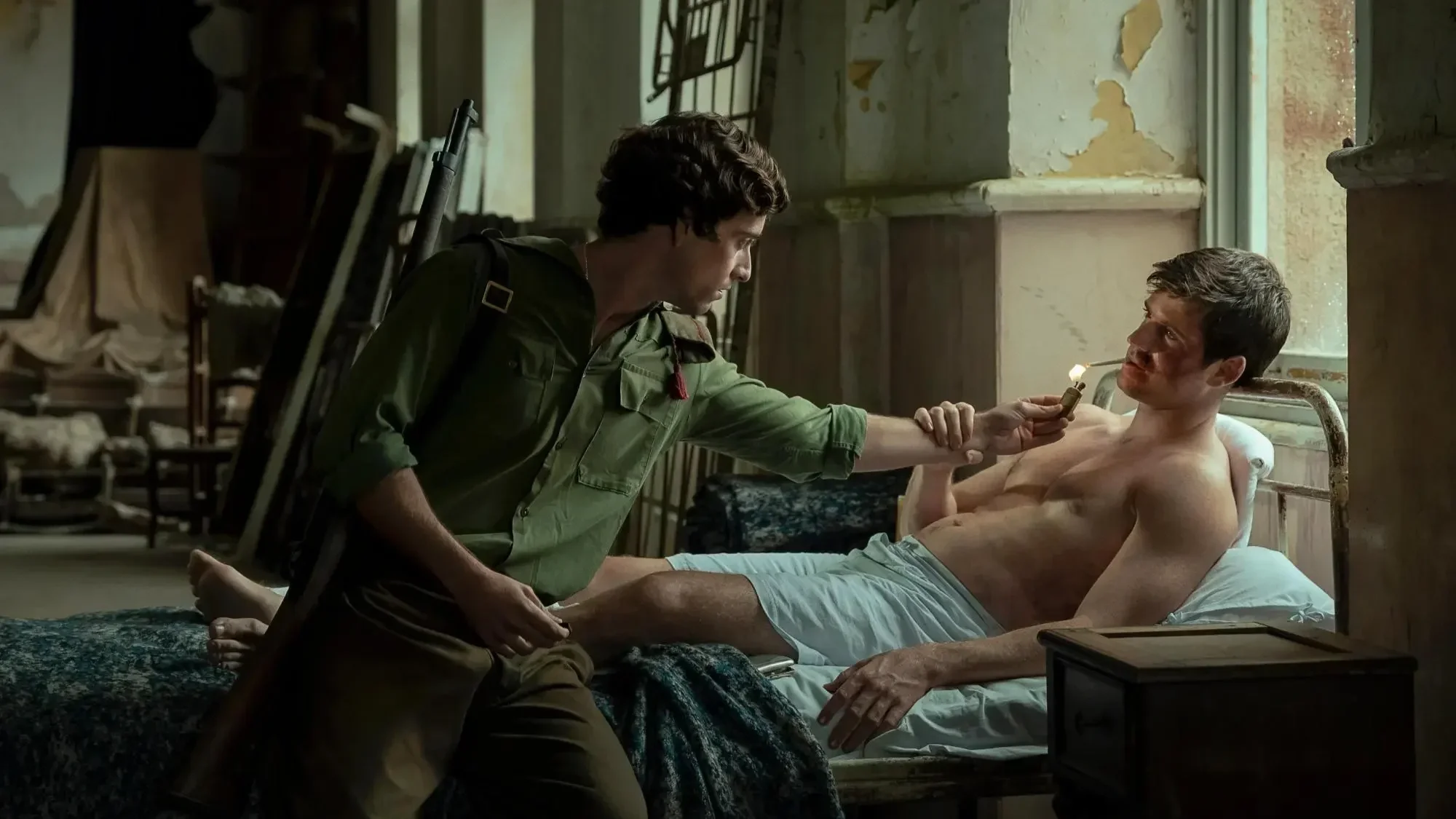
“It was beautiful to see Álvaro come to set with so much will and eagerness and artistry too. I had known him for his music. I really like his music so I also felt safe in a way because I knew that he would come with a lot of respect towards our job. Since the beginning, he came in [the] first day [and] he was already in character,” Bernardeau shared. “Even in rehearsals, I could feel that I was working with a professional actor already and that the Javis were doing a really good job also to make him make him feel safe and make us be able to communicate having very different circumstances as actors at the time. But really contrasting in a good way because he was coming with that freedom and rawness. I could feed off of that in a nice way that made me relax also and just be able to try and make mistakes and try again. We were able to find this nice, fun, and intense, but fun way to work on such a dramatic and emotionally intense scenes.”
The film spans three different decades and generations, with the Javis sharing how closely they connected with the present-day storyline. “The whole idea of the movie is to connect the three story lines and talk about how important is the past in the present and how we need to understand the past and study about the past in order to not to repeat history,” said Ambrossi. “Of course, the present timeline, we wrote it because we wanted to put our ourselves there. We wanted to express how important it is to us to pay tribute to the generation that came before us, the LGBTQ+ older people that came before us, that they fought so much. The present timeline is the one that really resonates with us.”
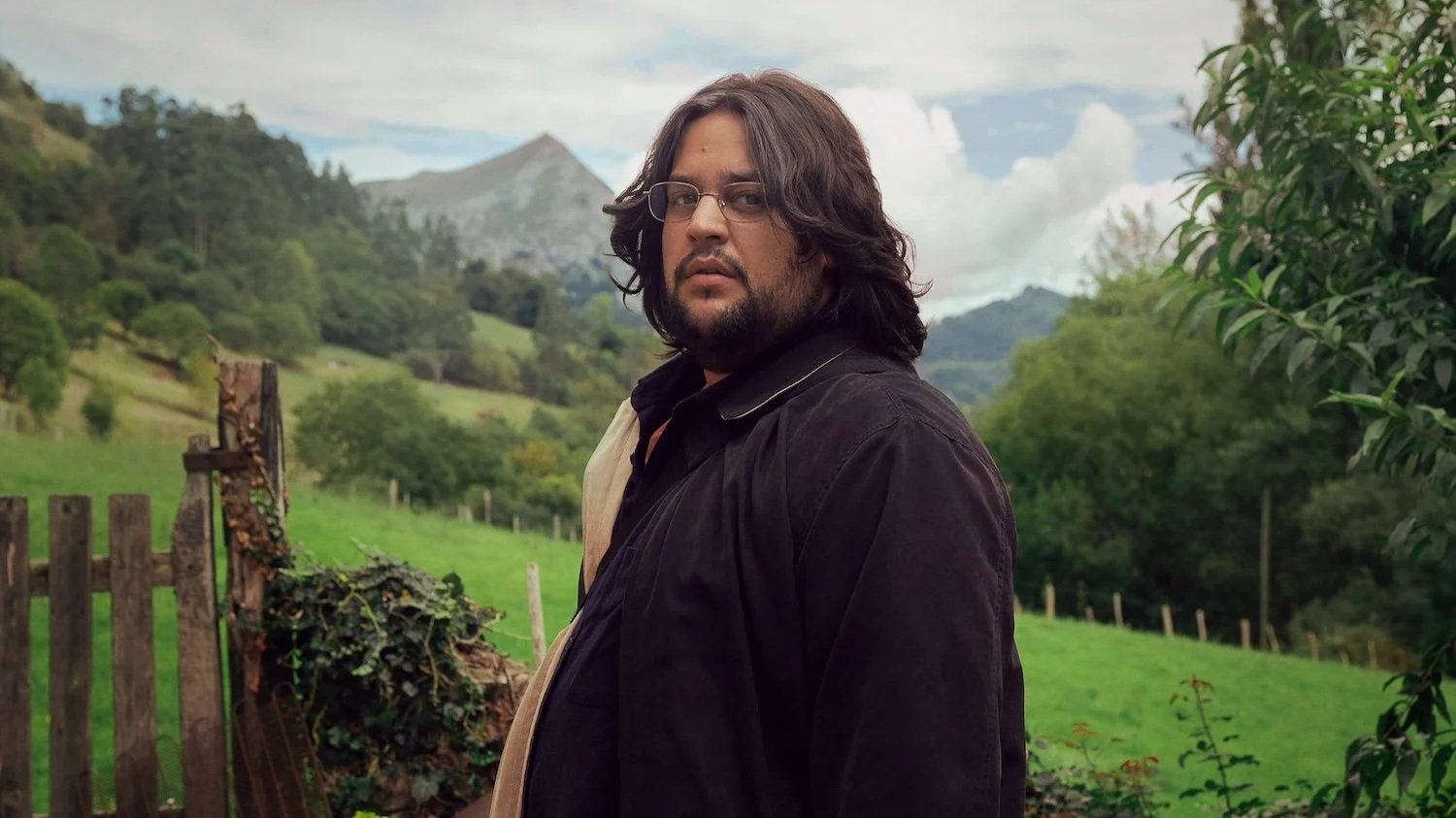
“Being in a country and not knowing that much about your past, your history, your culture,” agreed Calvo. “We worked with an LGBT foundation that takes cares of our elders. Going there and hearing their stories is so beautiful and moving. We, with Alberto, it was important for us to acknowledge our freedom, our rights. Honor the ones who didn't have that. Thanks to them, we are here. And also, yes, going back and tracing our history like he does. In his case, it's his family history, but Spain is our home and Spanish people is our family.”
When Guitarricadelafuente wrote the film’s soaring ballad “La Nieve” on set, he had no idea it would lead Los Javis to change the entire ending of the film. “It was funny because originally I thought that the song was going to just appear in the credits at the end of the film. Because I found that it was going to be really weird to see my face in the movie and then me from the outside world singing inside of it. It was something that didn't make sense in my mind,” he told me. “But as soon as I got started with the song, I had to feel all of the emotional journey of character and to re-live the story in my own skin to be able to portray all of that.”
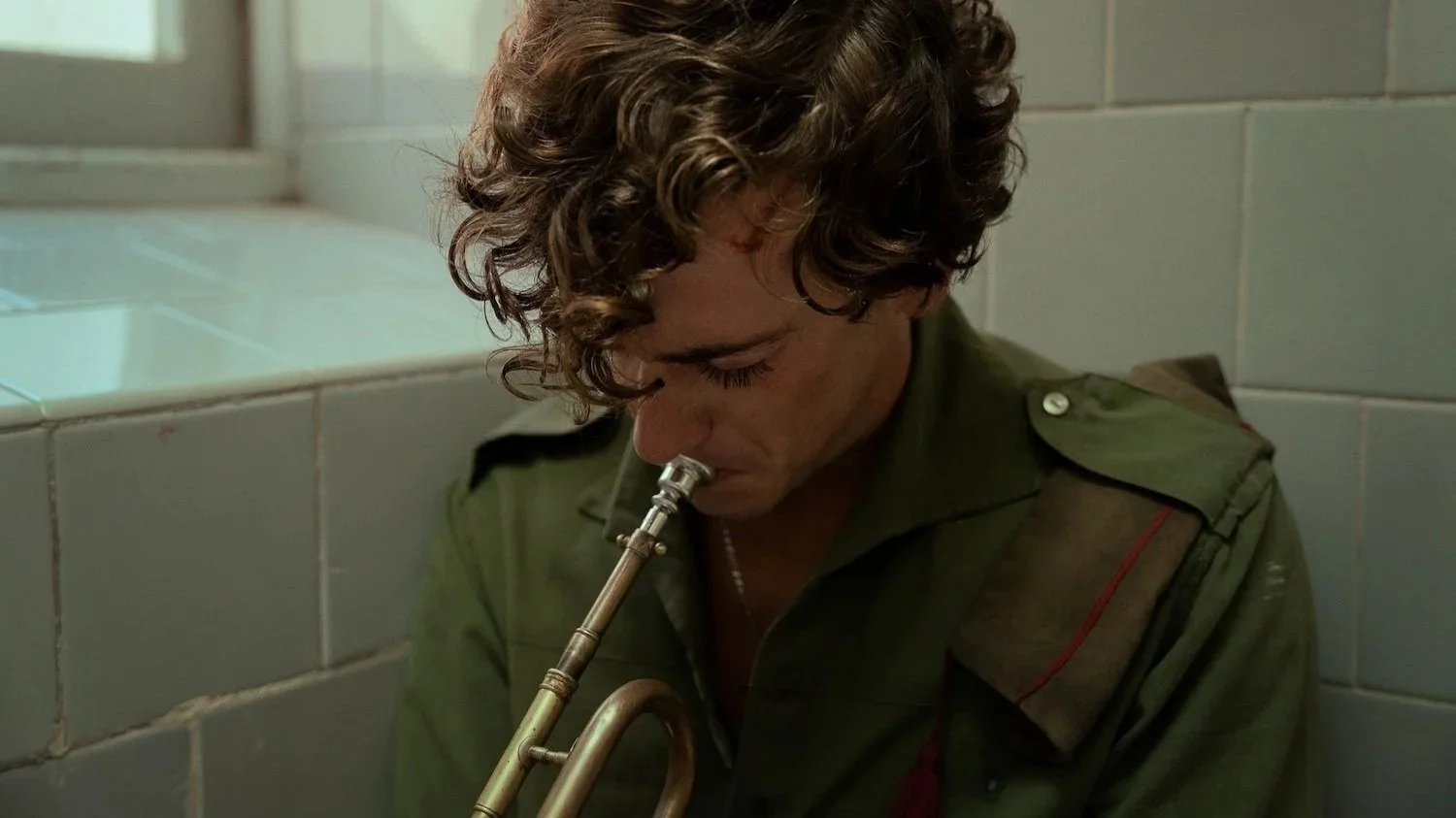
It all came to him on an incredibly tense day on set. “I remember it was after this super intense scene that happened after the shooting of Rafael. It was one of the last scenes that we shot and that was a very cathartic moment for both of us. I remember getting home that night and I just had a melody in my mind,” explained Guitarricadelafuente. “I will eventually finish the song here in LA much long after that. Just with that voice memo the Javis worked on the edit of the movie and those three stories would intertwine around that song. That was amazing because ‘La Nieve’ which, represents the end of a journey, happened in the movie. To see how the three stories and the three characters as soon as they arriving to the end of their journeys that's when there's a catalyst that encourages them to live their lives truly and freely.”
While Alberto is the thread connecting the past and the present, actor Carlos González pulled inspiration from the world around him in the role. “We decided to do something completely new from the ground up and that helped a lot to trigger my imagination. Imagination is something very interesting because sometimes we feel like it’s going to work more when it’s based out of your own experience. But we are always inspired by things that we see in movies, on the street, and it’s always amazing,” he explained. “I believe that all people have all characters inside of us, but some are easier to take out than others. Alberto definitely has a lot more things that he’s done. Like he has some things worked on, like things that he has cried and worked on. There’s a lot of issues of my own that I still need to deal with.”
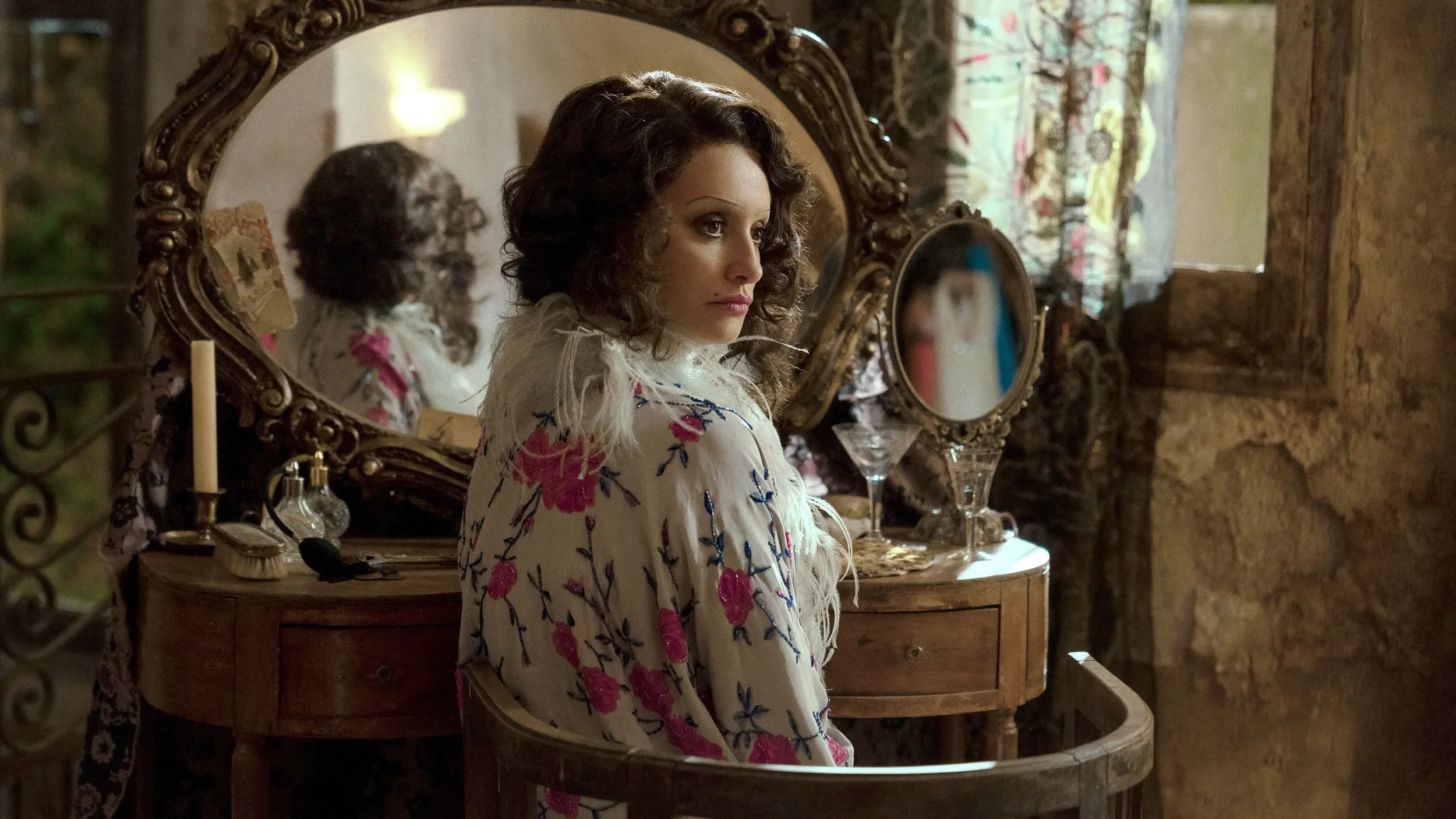
Los Javis directed both newcomers and incredible veterans like Penelope Cruz and Glenn Close in La Bola Negra. “We always try to find how to make it special for actors, so we work with them and try to surprise them and try to be open to what they need. It was so beautiful to see Glenn learning Spanish and it was very difficult,” revealed Calvo. Los Javis even shared they had sent a Spanish teacher to the set of The Hunger Games: Sunrise on the Reaping for Close to prep for the film. “It was great to see how much effort Penelope put into the rehearsing, the dancing, the singing. It's amazing that they both put so much effort into those characters. Even though they are supporting roles, they were working a lot to make it special. So we are super grateful. They are superstars.”
“Both of them, Glenn and Penelope, they were so humble on set. Penelope was wanting us to direct her. ‘How did I do? Can I do better? Can I take another take?’ She was helping Álvaro all the way,” continued Ambrossi. “And Glenn, she was talking in Spanish, like the most vulnerable thing you can do to be Glenn Close and talk in another language. She was all the time by our side, holding hands. They are beautiful persons, beautiful hard workers. It was so inspiring to work with them.”
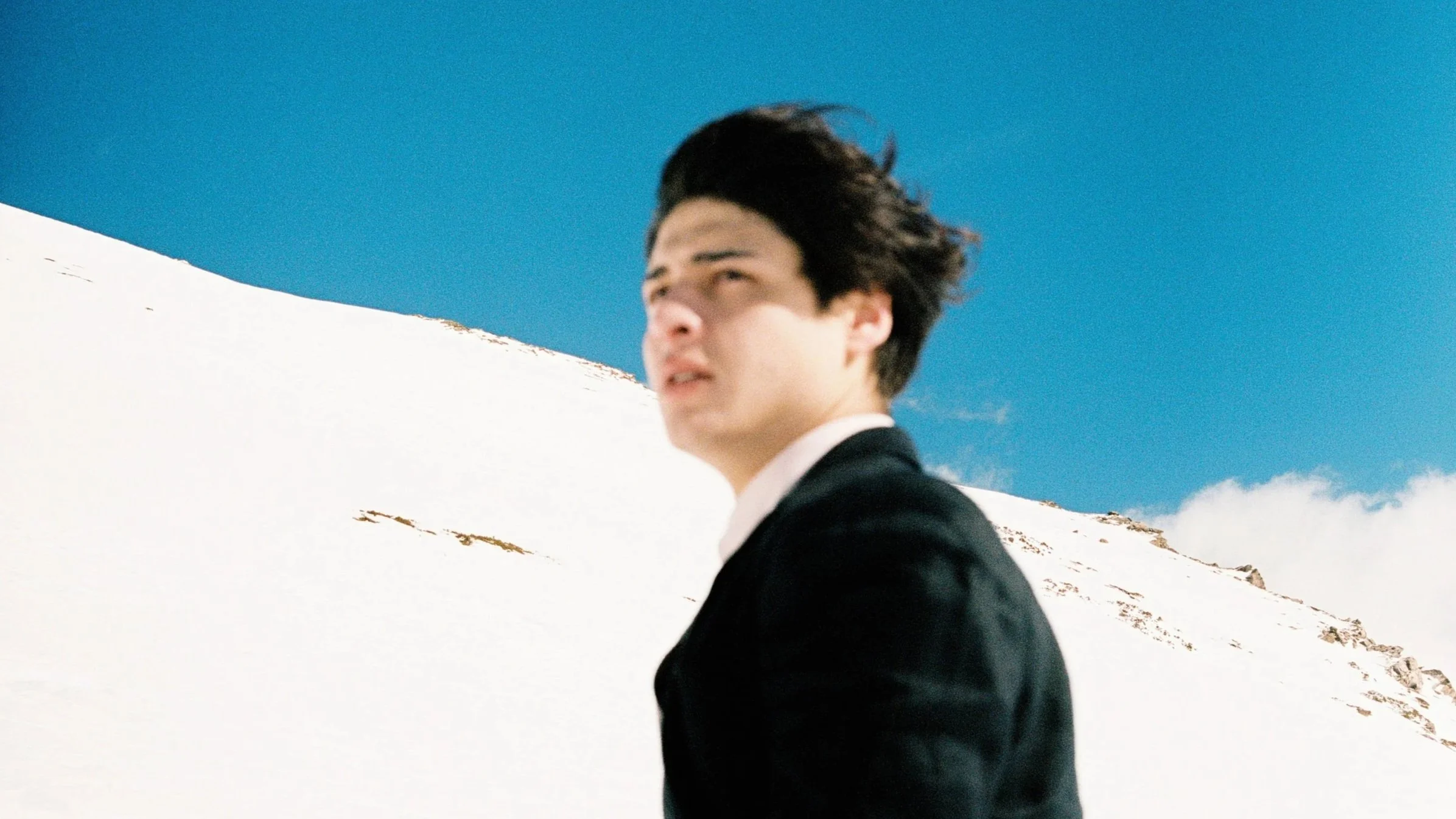
By the end of the film, we learn that Carlos’ story is the finished play of La Bola Negra by poet Federico García Lorca. So does that mean Milo Quifes’ character was fictional or based in reality? “I took it as reality,” he told me. “But there is also an element of mystery, poetry, and magic. The subtext for me was my own lived experience and that helped me with my performance. Then you also had the magic of Granada and everything, but I took it as it was real.”
It all culminates in this incredible snowstorm scene that is just visually stunning. “I mean, that was real. I'm freezing, laying in the snow, looking at the sky,” said Quifes. “They played me a record of my mother during the snow. That was magical, amazing, and the cold served me. It was useful for me for acting with the character.”
La Bola Negra is playing in select theaters and hits Netflix on December 2.
